
Land & Development Consultancy
Financial Viability Analysis for Sussex Developments
Viability is where planning ambition meets commercial reality. We provide a clear view of what’s viable, what needs adjusting, and how to move forward with confidence.
From early-stage feasibility through to planning negotiations and appeals, our viability advice is designed to stand up to scrutiny and support commercially sound decisions.
What’s Included in a Viability Assessment
Every Financial Viability Assessment is tailored to the site, the planning context and the commercial objectives behind it.

Residual Land Value (RLV) Analysis
We assess the value of land based on development potential, costs and planning obligations, providing a clear benchmark for negotiation and decision-making.
Gross Development Value (GDV) Forecasting
Our valuations are informed by live Sussex market data across residential, commercial and mixed-use sectors, ensuring realistic revenue projections.
Cost and Policy Impact Testing
We model how construction costs, planning requirements, affordable housing and CIL contributions affect overall scheme viability.
Affordable Housing and Planning Obligations
Our assessments can support viability-led discussions with local authorities where policy requirements impact deliverability.
RICS-Aligned Reporting
All viability work is structured to meet professional standards, ensuring reports are clear, consistent and capable of supporting planning discussions.
Proven Results Across Sussex
Oakley’s viability advice underpins a wide range of development projects across Sussex.
From town centre regeneration sites to edge-of-settlement schemes and mixed-use developments, our work helps ensure proposals are not only compliant, but commercially realistic.
The Oakley Viability Approach
Our approach combines financial modelling, planning awareness and market insight to provide clear, actionable guidance.
Site Review and Data Collection
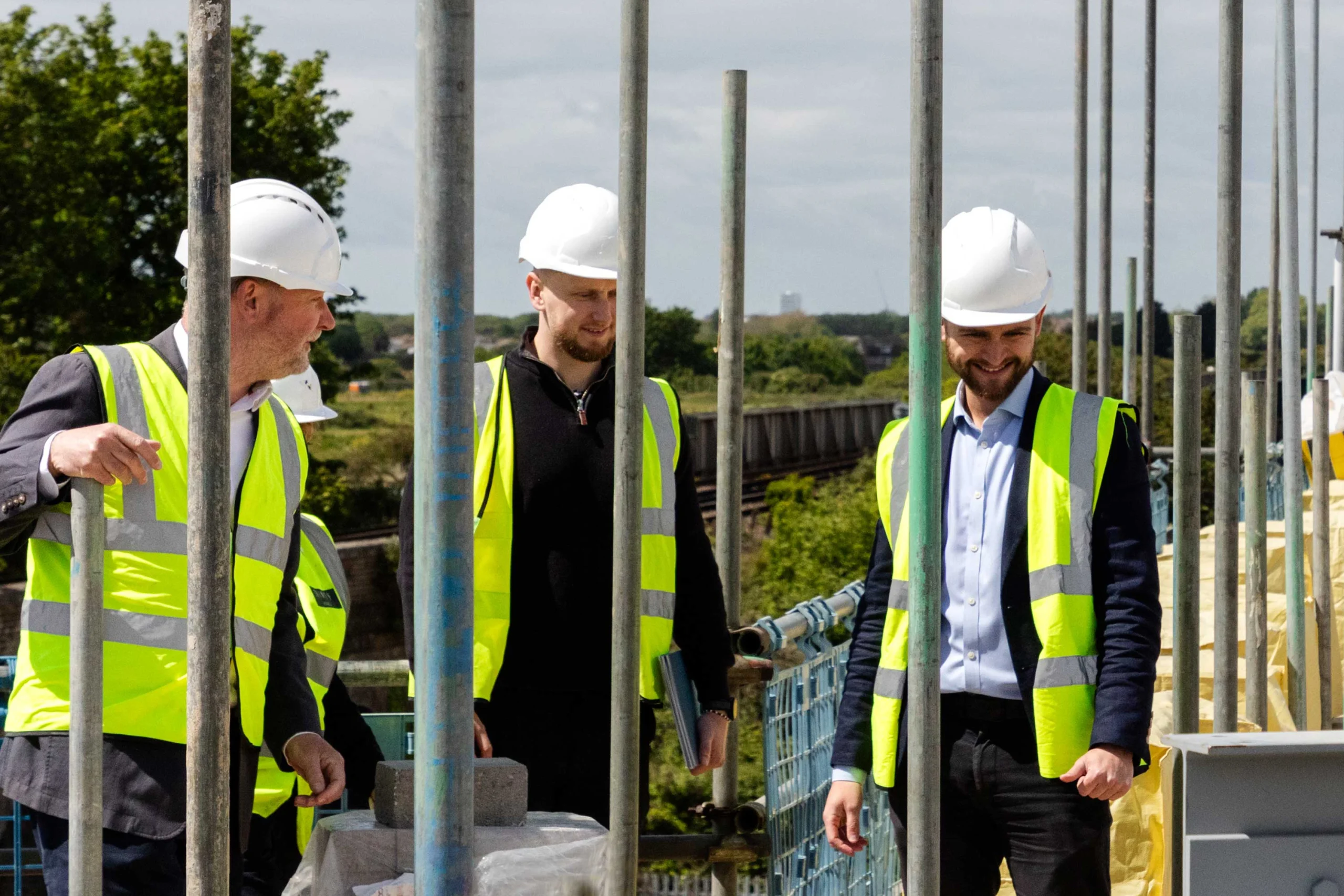
We begin by understanding the site, its constraints and its planning position.

Viability Modelling
Using GDV and RLV modelling, we test different development scenarios to understand what is financially achievable.

Policy and Planning Analysis
We assess how local and national planning policy impacts the scheme, identifying potential pressure points.
Reporting and Strategic Advice
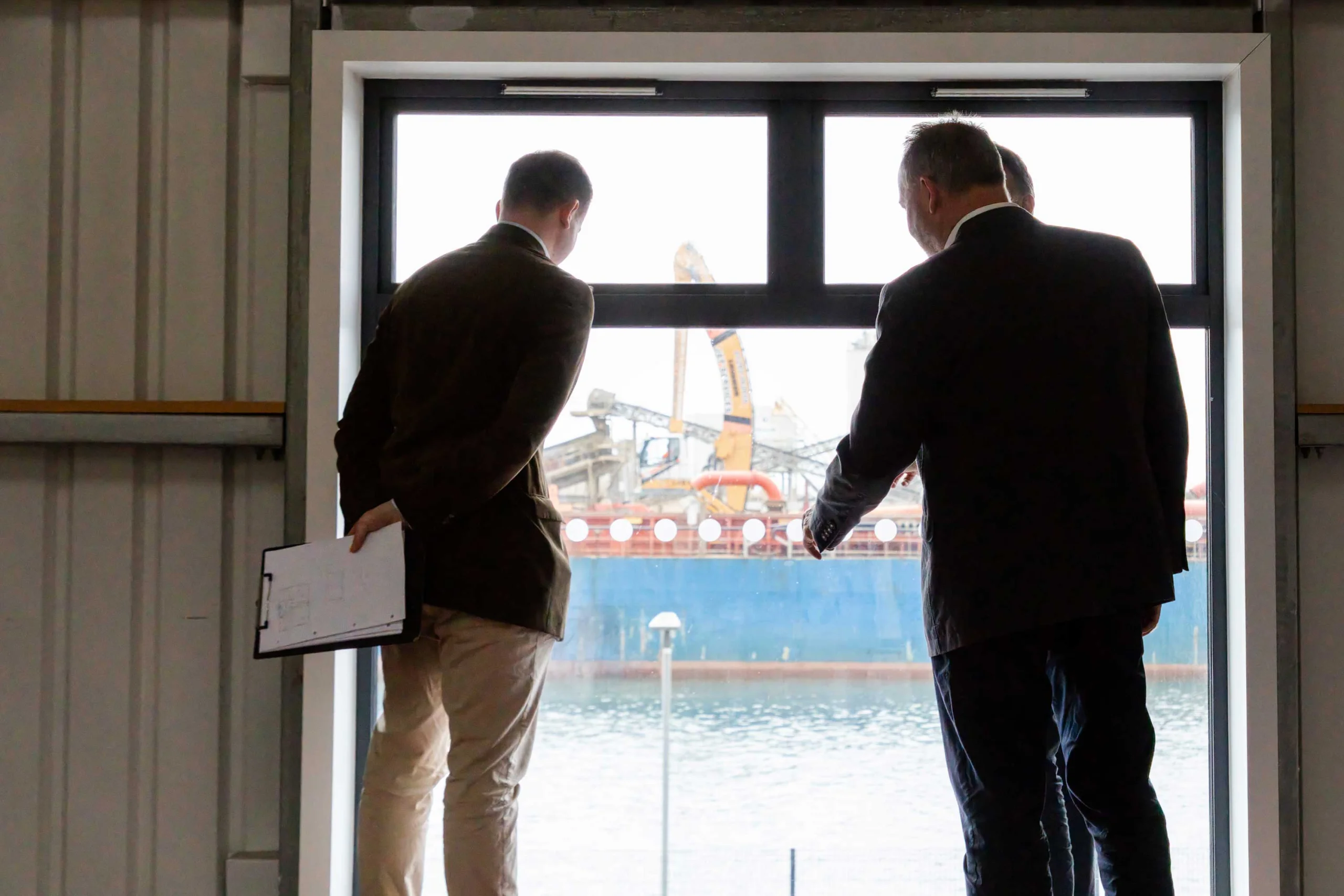
Our findings are translated into clear, commercially grounded recommendations to support decision-making and negotiation.
Other Land & Development Services
Oakley’s new homes marketing works seamlessly with our wider consultancy services ensuring your scheme is commercially deliverable, strategically positioned and ready for launch.
Site Appraisals
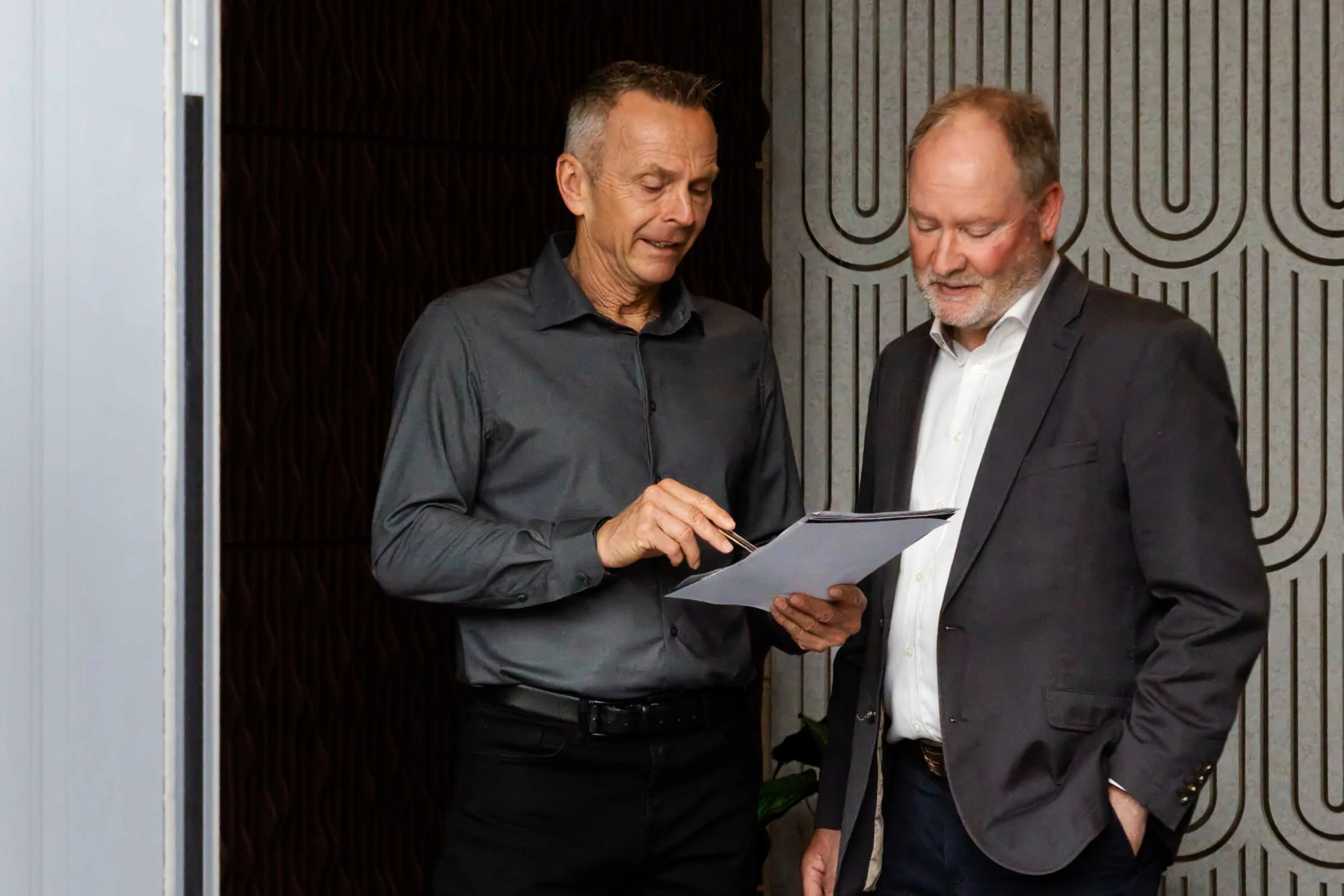
RICS-regulated valuations and feasibility studies.
Land Acquisition & Disposal
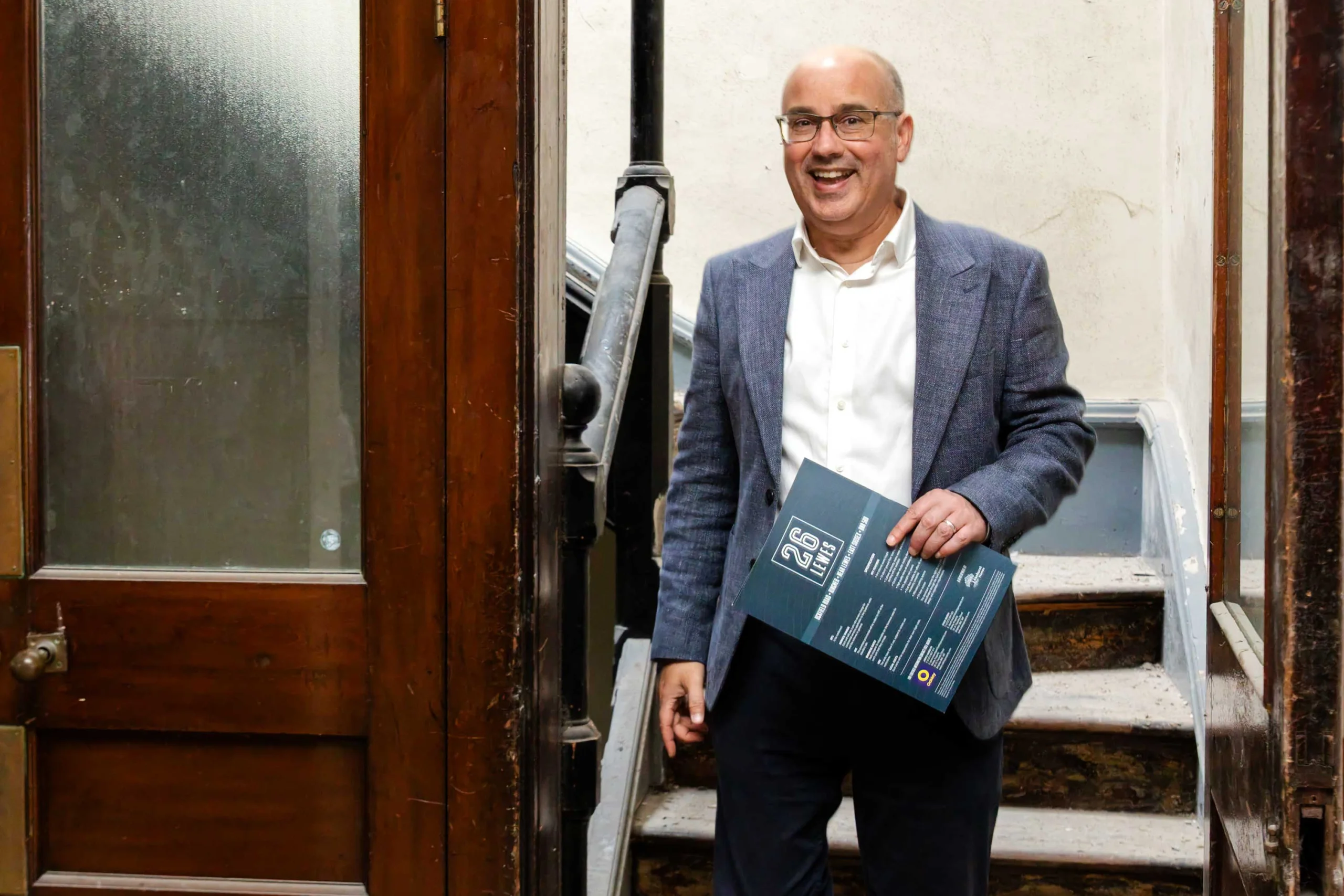
Connecting landowners, developers and investors across Sussex.
Planning Consultancy
Navigating planning complexity with strategic clarity.

New Homes Marketing
Positioning and selling developments with data-driven campaigns.
Integrated Development Expertise
Viability does not exist in isolation.
Oakley’s Land and Development consultancy combines viability analysis with planning strategy, site appraisals, land transactions and new homes marketing. Our comprehensive structure ensures that financial modelling reflects real-world planning constraints and market demand.
For clients progressing sites, this provides a more complete view of risk, value and delivery.
Meet the Land & Development Team
Our viability advice is delivered by experienced property professionals with expertise across valuation, planning and development strategy.
Led by MRICS-qualified surveyors, the team provides clear, commercially grounded assessments that stand up in planning discussions and scrutiny.
Working closely with colleagues across the wider Oakley consultancy, the team ensures every assessment reflects both financial reality and planning context.



Financial Viability FAQs
These are some of the questions we’re most often asked. If you’d like to discuss something more specific, just get in touch with the team.
What is a Financial Viability Assessment?
A Financial Viability Assessment (FVA) looks at whether a proposed development is financially deliverable once costs, planning obligations and expected values are taken into account. It’s used to test whether a scheme can realistically proceed in its current form, or whether adjustments are needed.
What is the purpose of a viability assessment?
The purpose of a viability assessment is to understand whether a development stacks up financially. It helps landowners and developers make informed decisions, and provides the evidence needed to support planning discussions where costs and policy requirements impact delivery.
If you’re at an early stage, this often sits alongside a wider site review or site appraisal to understand overall potential.
When is a viability assessment required?
Viability assessments are typically required during the planning process, particularly where affordable housing, Section 106 obligations or infrastructure contributions are being negotiated. They may also be needed to support planning appeals or where a scheme needs to demonstrate deliverability under current policy.
What is Section 106 and how does it affect viability?
Section 106 refers to planning obligations agreed between a developer and the local authority, usually covering things like affordable housing, infrastructure or community contributions. These costs can have a significant impact on whether a scheme is financially viable.
Viability assessments are often used to test whether these obligations are achievable, and to support discussions where they may need to be adjusted as part of the planning process.
What is included in a viability assessment?
A viability assessment will usually include development values, build costs, professional fees, finance, planning obligations and land value. These inputs are modelled together to test how the scheme performs financially under different scenarios.
This often ties into wider development advice, including planning strategy and land acquisition and disposal, to ensure the assumptions reflect real market conditions.
How does viability affect affordable housing?
Viability plays a key role in determining how much affordable housing a scheme can realistically support. If policy requirements make a development unviable, a well-prepared assessment can provide the evidence needed to support a revised position.
This is often a central part of planning discussions, particularly on larger or more complex sites.
Do councils accept independent viability reports?
Yes. Most local authorities accept independent viability assessments, provided they follow recognised professional standards and are supported by clear, transparent assumptions. In many cases, reports will be reviewed by a third-party assessor on behalf of the council.
How does viability differ from a site appraisal?
A site appraisal is usually an early-stage review of development potential, looking at things like planning context, site constraints and indicative value. Viability analysis goes further, testing the financial performance of a scheme in detail to understand whether it is deliverable.
If you’re at the early stages, you may want to start with a site appraisal before moving into full viability analysis.

Partner with Oakley for a Smarter Property Strategy
From early feasibility through to planning negotiations, our team provides clear, commercially grounded viability advice across Brighton & Hove, Lewes, Shoreham and the wider Sussex market.